Trump Announces Naval Blockade of Iran After Islamabad Peace Talks Collapse
Following failed negotiations led by Vice-President JD Vance, the US is shifting to a naval blockade to prevent Iran from collecting tolls and to halt its nuclear program.
Primary source: BBC World News. Full source links and update notes are below.
Fast summary
Start here
- The US will impose a naval blockade to stop Iran from collecting 'illegal tolls' from ships in the Strait of Hormuz.
- A 20-hour diplomatic mission in Islamabad led by JD Vance failed to secure a deal on Iran's nuclear ambitions.
- The US military remains 'locked and loaded' for potential strikes while continuing mine-clearing operations in the region.
What happened
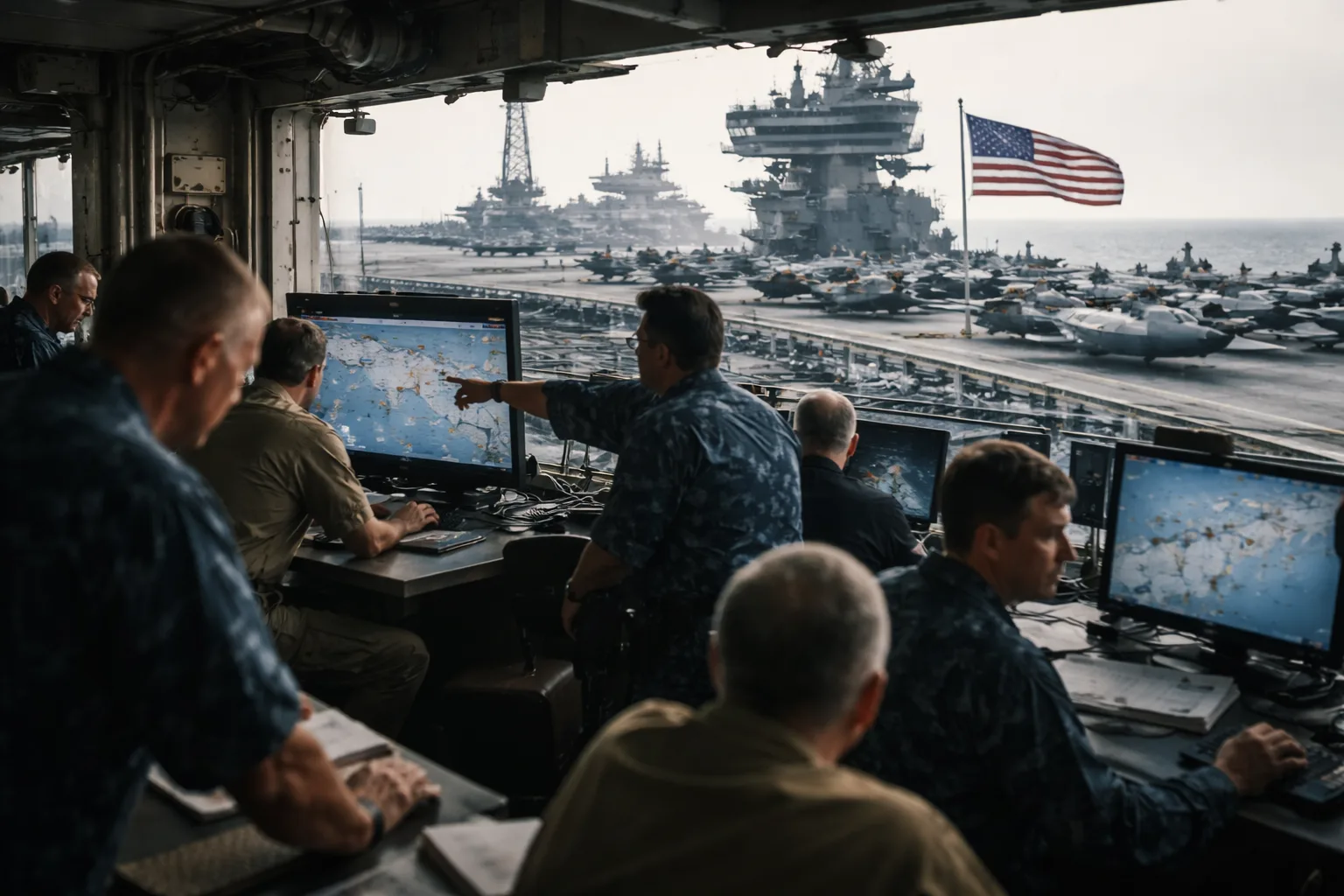
Following a 20-hour diplomatic mission in Islamabad led by Vice-President JD Vance, the United States failed to reach a negotiated settlement to end the ongoing conflict with Iran. President Donald Trump responded via social media, announcing that the U.S. would pivot to a naval blockade strategy to prevent Iran from exercising control over the high seas and collecting passage fees.
What's new in this update
This update marks a significant escalation from last week's ceasefire. The U.S. has moved from diplomatic engagement to an active military enforcement posture. Specifically, Trump has ordered the U.S. Navy to block any shipping that pays 'illegal tolls' to Iran, while simultaneously continuing mine-clearing operations to protect allied vessels.
Key details
Trump cited Iran's refusal to abandon its nuclear program as the primary reason for the negotiation's failure. However, internal U.S. reports suggest a wider gap in demands, including disagreements over Iran's support for regional proxies like the Houthis in Yemen and Hezbollah in Lebanon. The U.S. military is currently positioned in a 'locked and loaded' state, ready to resume offensive actions.
Background and context
The conflict has reached a critical juncture where military escalation and diplomatic withdrawal both carry heavy political costs. A recent CBS poll indicates that 59% of Americans believe the war is going poorly. Trump is balancing his promise to avoid 'forever wars' in the Middle East with the bipartisan demand to secure the Strait of Hormuz and end Iran's nuclear program.
What to watch next
The international community is monitoring how major oil importers, particularly China, will respond to the U.S. blockade. Key questions remain regarding the U.S. rules of engagement: specifically, whether the Navy will use force against foreign-flagged civilian vessels that ignore the blockade or continue to pay Iranian tolls to ensure their own safe passage.
Why it matters
The Strait of Hormuz is a critical global energy chokepoint; a blockade risks direct military confrontation and a significant spike in international oil prices.
Read next
Follow this story through the topic hub, more world coverage, and the latest updates.
Weekly briefing
Get the week's key developments in one concise email.
Get a fast catch-up on the biggest stories, the context behind them, and the links worth your time.
Cadence
Weekly, for a quick catch-up
Coverage
AI, business, world, security, sports
Format
Clear takeaways and useful context
Request the briefing
Leave your email to open a prepared request and get on the list for the weekly briefing.
Author
See who assembled this story and follow more of their work.
Sources and methodology